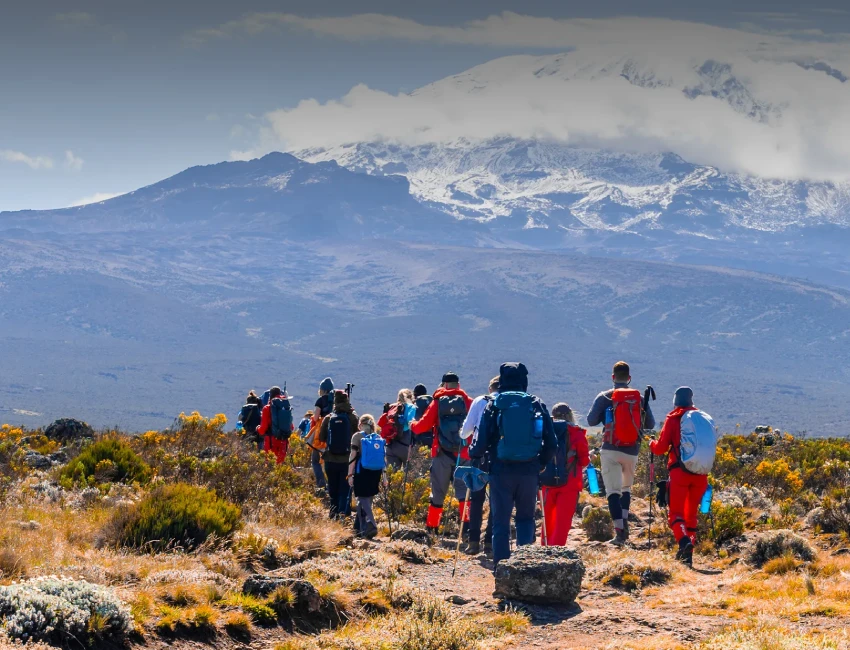
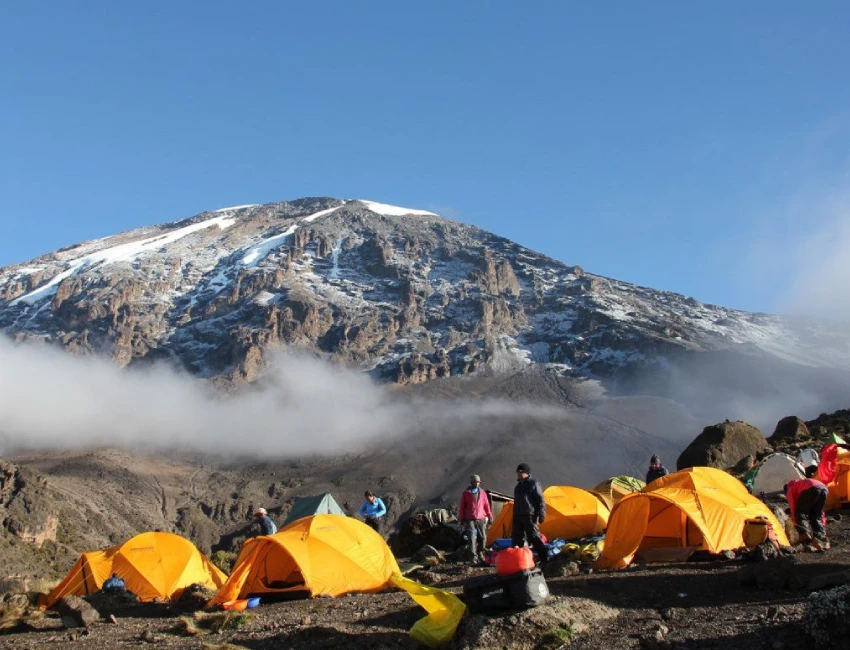

Best Time to Climb Kilimanjaro
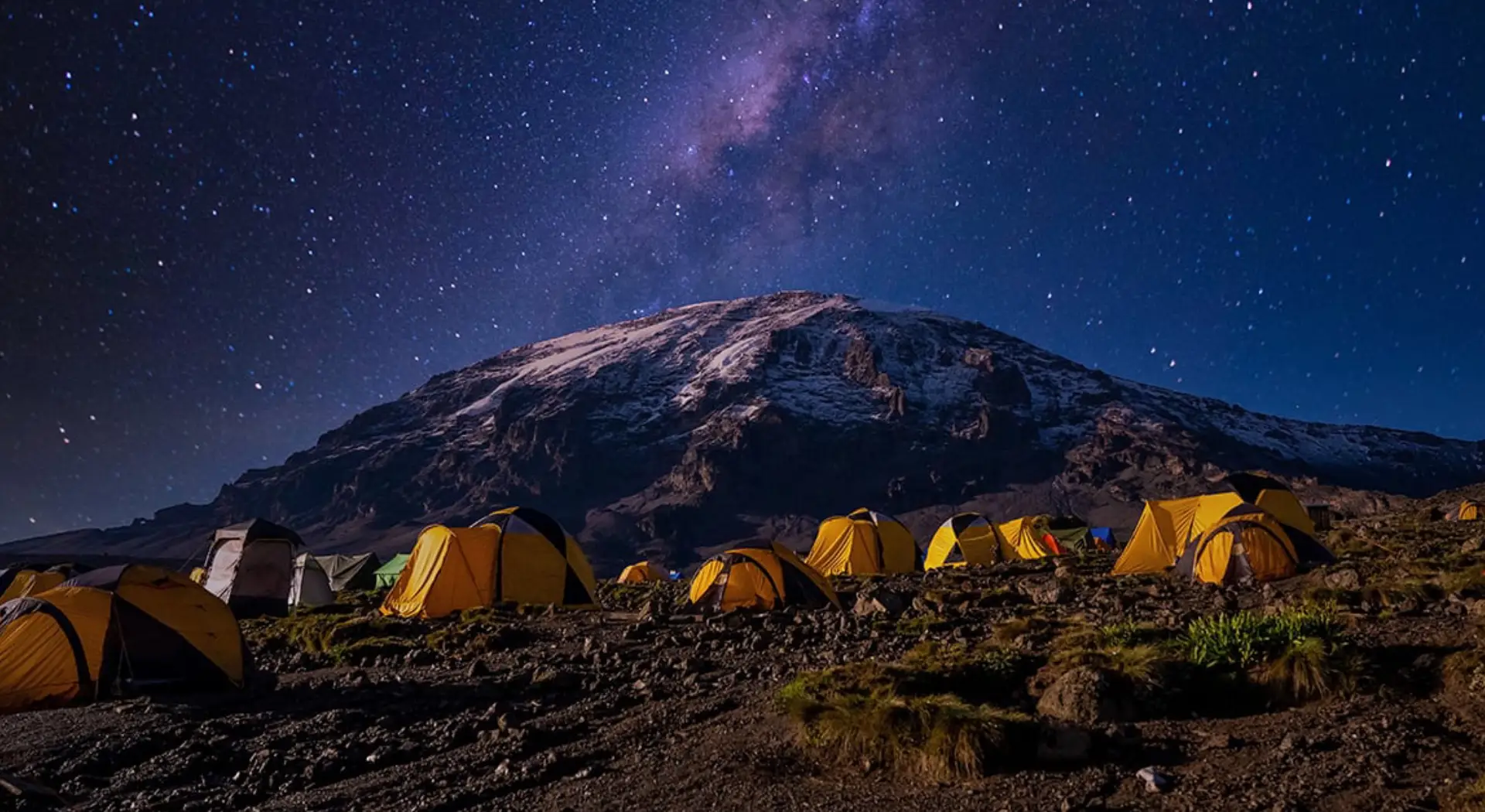
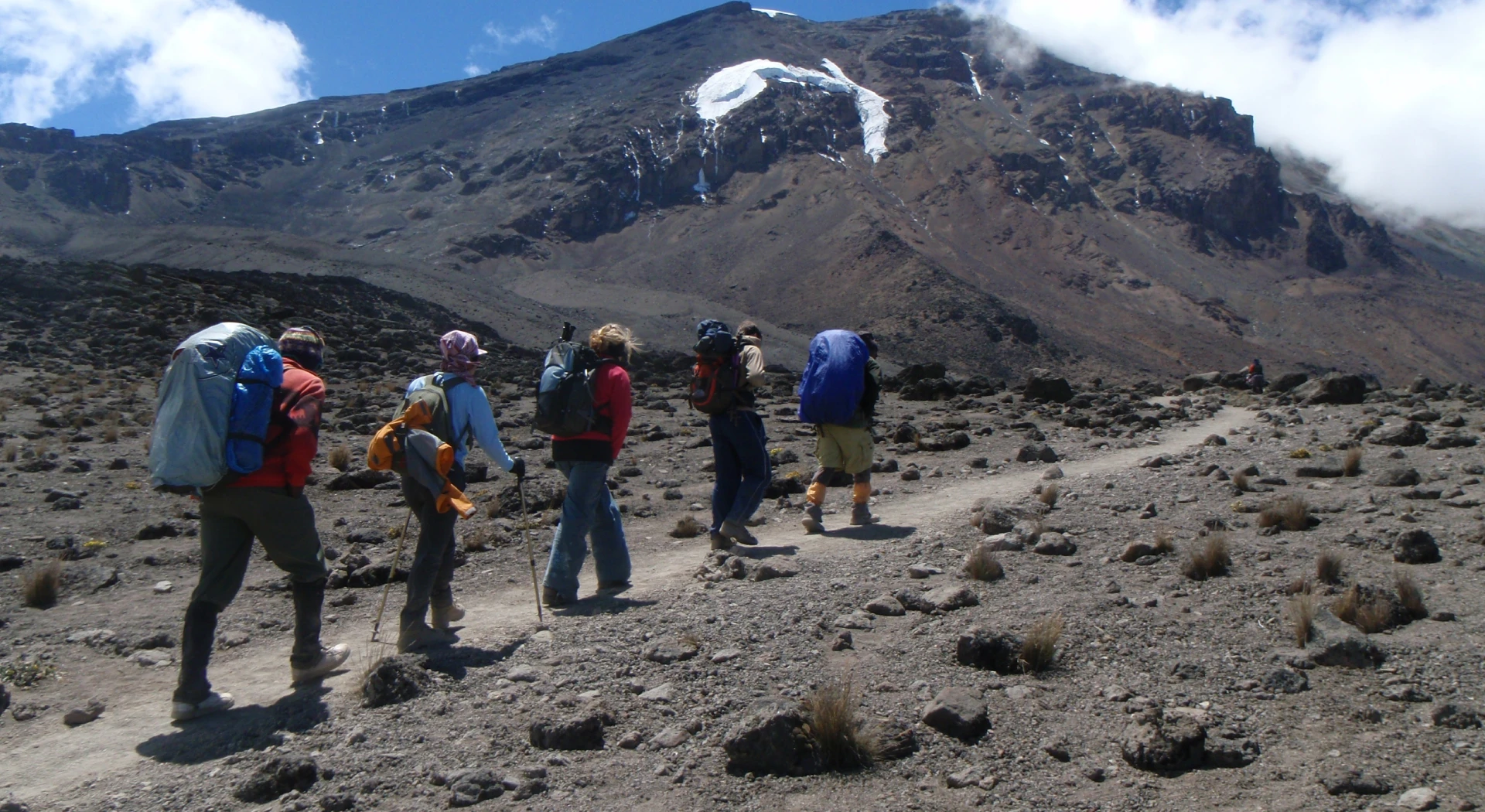
Mount Kilimanjaro standing at 5,895 meters (19,341 feet), is Africa’s highest peak and one of the world’s most iconic trekking destinations. Climbing Kilimanjaro is more than a physical challenge—it is a rewarding journey through diverse landscapes, from tropical rainforest to alpine desert and icy summit glaciers. To maximize your chances of a safe, successful, and enjoyable climb, choosing the right time of year is essential. Weather conditions, trail traffic, and visibility all play a major role in your overall experience, making timing one of the most important decisions when planning your trek.
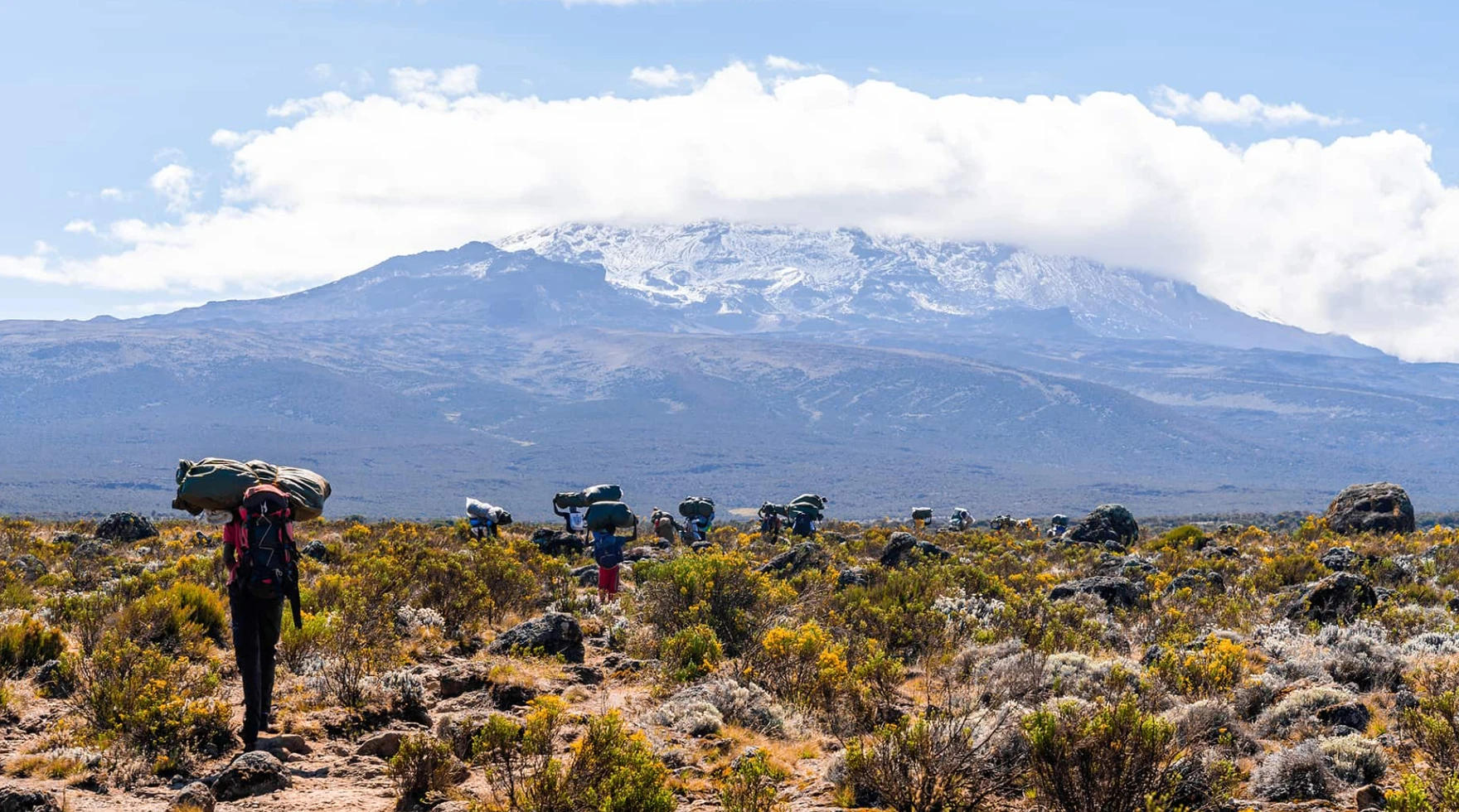
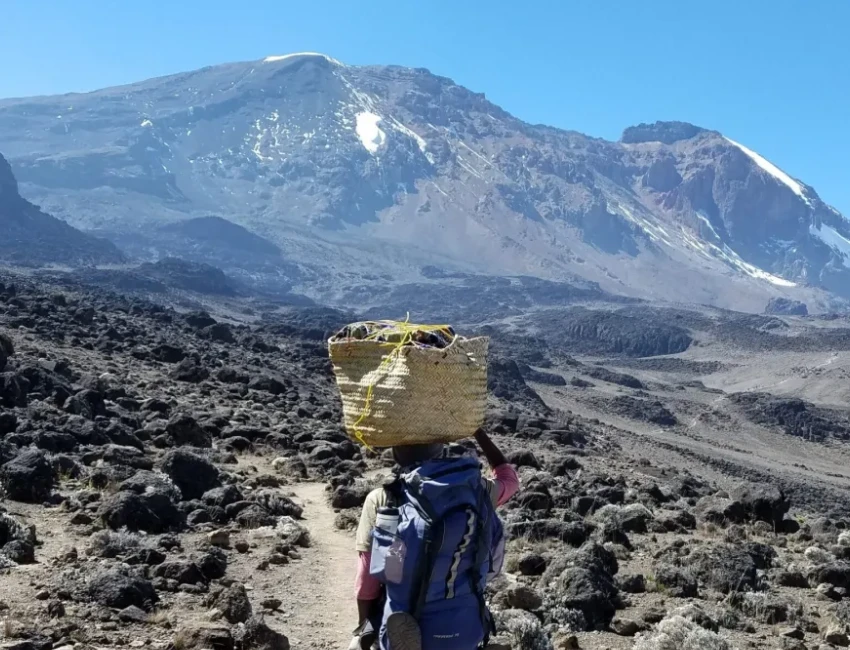
The best time to climb Mount Kilimanjaro is during the warmest and driest periods, from December to mid-March and mid-June to the end of October. These months offer clearer skies, more stable weather, and better trail conditions, ideal for reaching the summit. However, they are also the busiest seasons, attracting climbers from around the world. Kim’s Legacy Adventures, helps you plan your Kilimanjaro trek with confidence by balancing ideal weather, manageable crowds, and safety. This Kilimanjaro Travel Guide provides valuable insights into the Best Time to Climb Kilimanjaro, ensuring the best possible summit experience with us.
Factors to Consider When Choosing Your Climbing Time
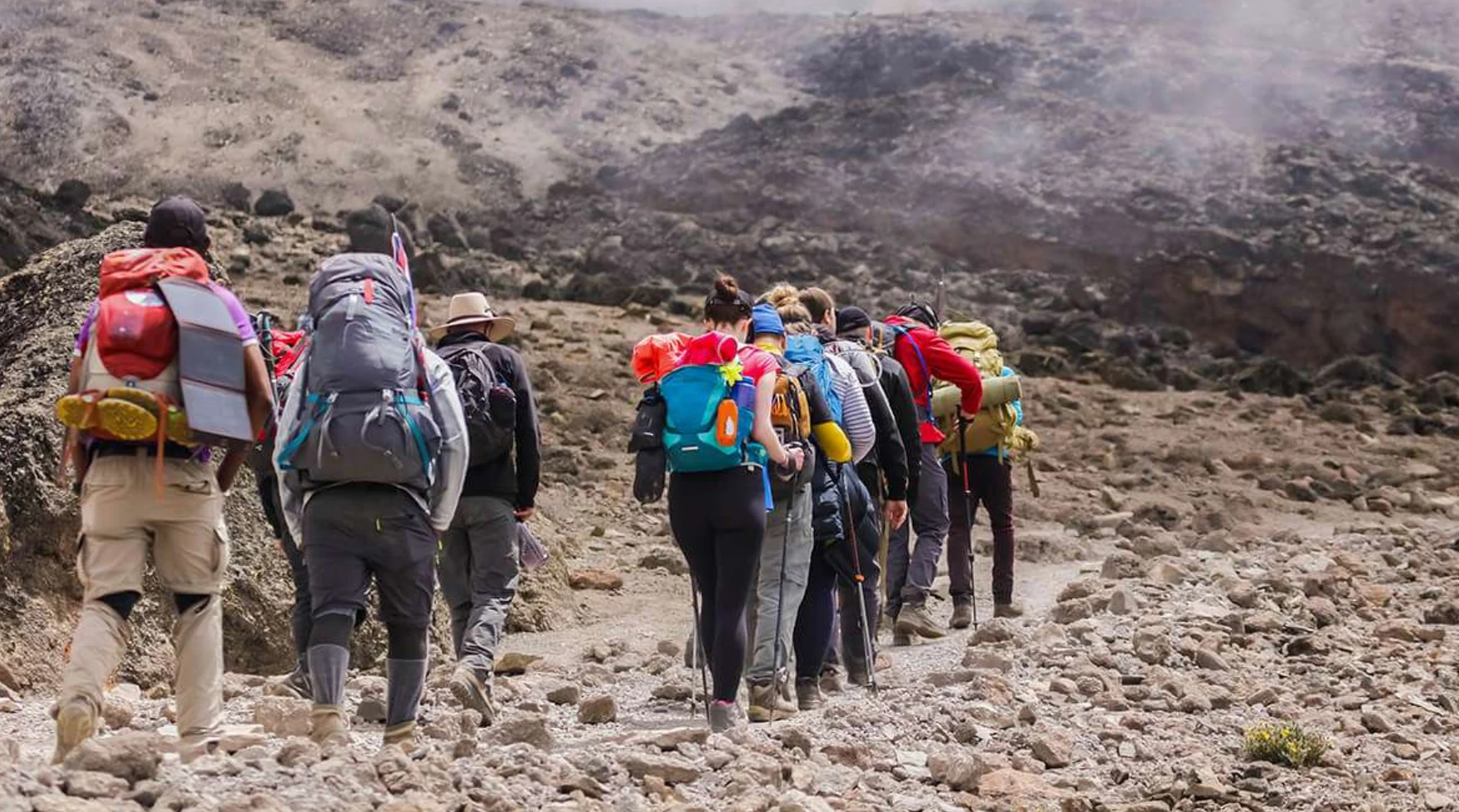
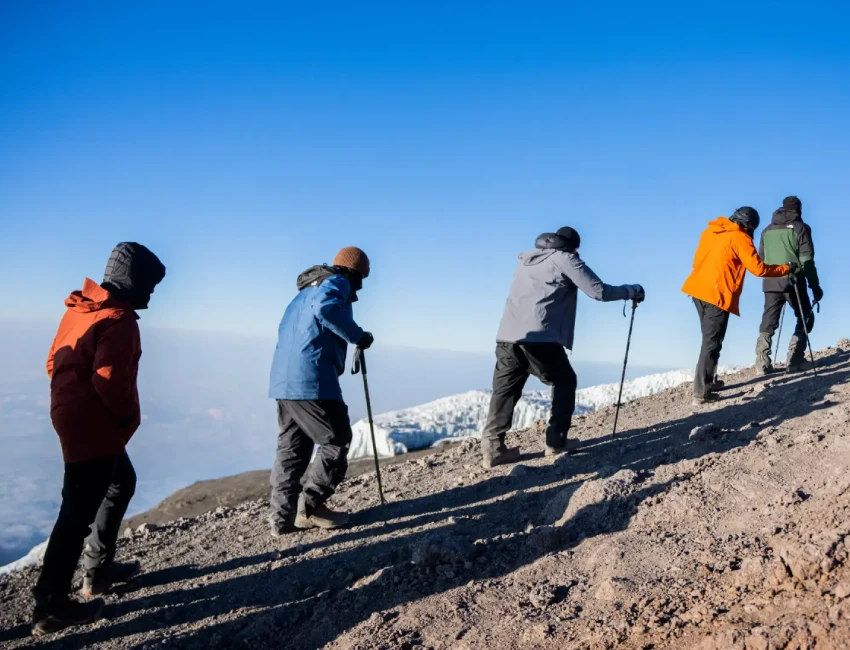
Choosing the right time to climb Mount Kilimanjaro is a key part of planning a successful trek. Weather conditions have the greatest impact, as dry seasons offer clearer skies, firmer trails, and safer climbing conditions. During the rainy months, trails can become muddy and slippery, visibility may be reduced, and the overall trek can feel more challenging. Temperature is influenced mainly by altitude rather than season, meaning climbers should be prepared for warm days on lower slopes and freezing conditions near the summit at any time of year. Crowd levels also vary throughout the year, with peak seasons attracting more climbers and quieter months offering a more peaceful trekking experience.
Beyond weather and crowds, personal factors play an important role in choosing your climbing time. Your fitness level, trekking experience, and comfort with changing conditions should guide your decision. First-time climbers often prefer popular dry months for their stability, while experienced trekkers may enjoy shoulder seasons for fewer crowds. Budget considerations may also influence timing, as peak periods can be more expensive. Route choice and acclimatization schedules are equally important, since some routes perform better in certain seasons. Careful planning ensures a safer, more enjoyable, and rewarding Kilimanjaro climb.
- Dry seasons provide clearer skies, safer trails, better visibility, and more comfortable overall climbing conditions.
- Peak months attract many climbers, while shoulder seasons offer quieter routes and a more peaceful trekking experience.
- First-time climbers prefer stable weather, while experienced trekkers handle variable conditions more confidently.
- High season climbs cost more, while off-peak months may offer better value and fewer crowds.
- Some routes perform better seasonally, and proper acclimatization improves safety and summit success.
Choosing the Best Time to climb Mount Kilimanjaro is one of the most important steps toward a successful and memorable adventure. Weather, crowd levels, personal fitness, and route choice all play a role in shaping your experience on Africa’s highest peak. Kim’s Legacy Adventures, guides you through every detail, helping you select the best season and itinerary to match your goals and comfort level. With our experienced guides, thoughtful planning, and focus on safety, you can climb with confidence. When the timing is right, Kilimanjaro rewards you with breathtaking views, a rewarding summit, and an unforgettable journey from start to finish.
Kilimanjaro Travel Guide
Dry seasons from January to March and June to October offer the best weather, clearer views, and summit success.
Recommended vaccinations include hepatitis, typhoid, yellow fever, and routine immunizations; consult a travel clinic before departure early always.
Travel insurance should cover high-altitude trekking, medical emergencies, evacuation, trip cancellation, and delays for Kilimanjaro climbers worldwide protection.