
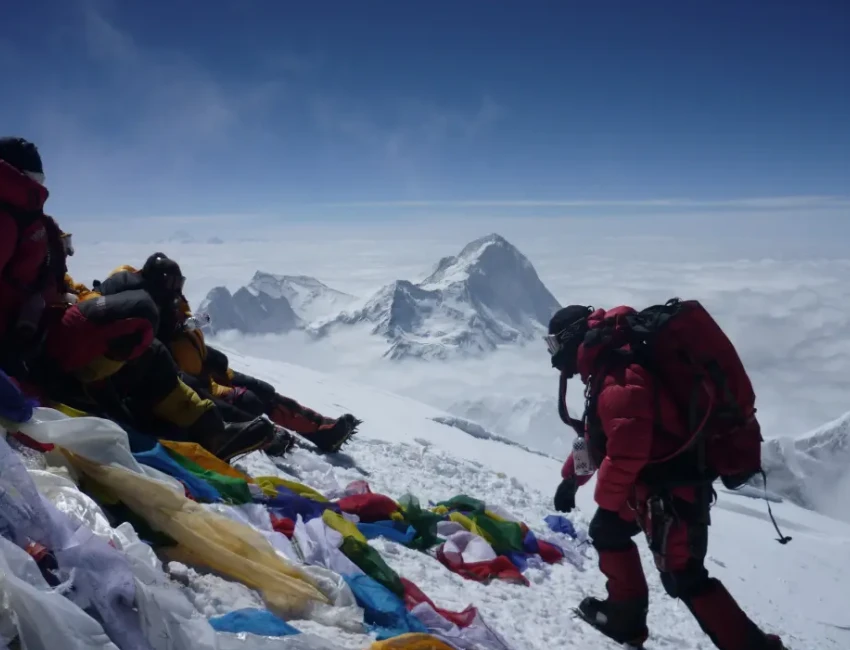

Kilimanjaro Altitude Sickness

Kilimanjaro Altitude Sickness

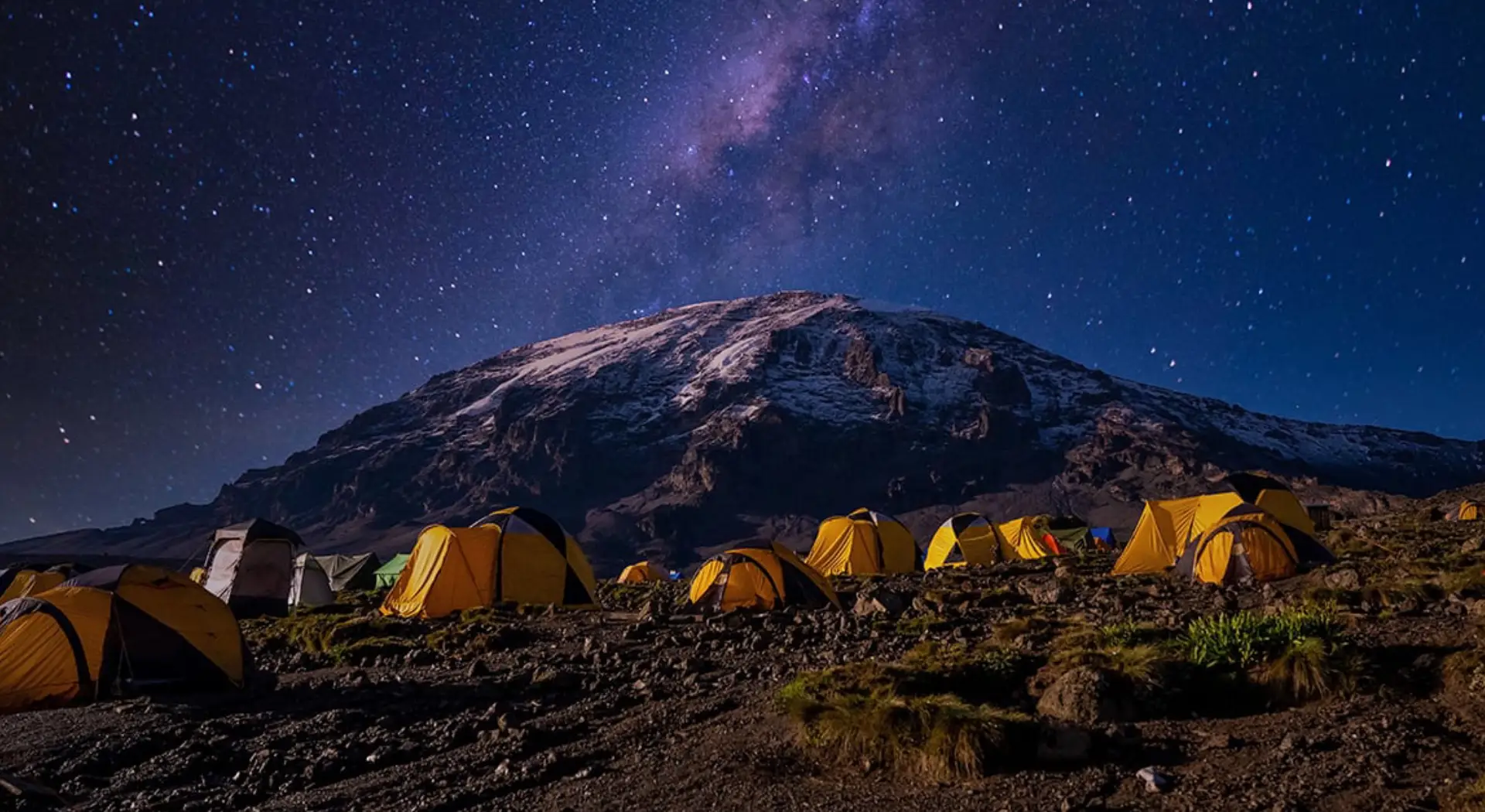
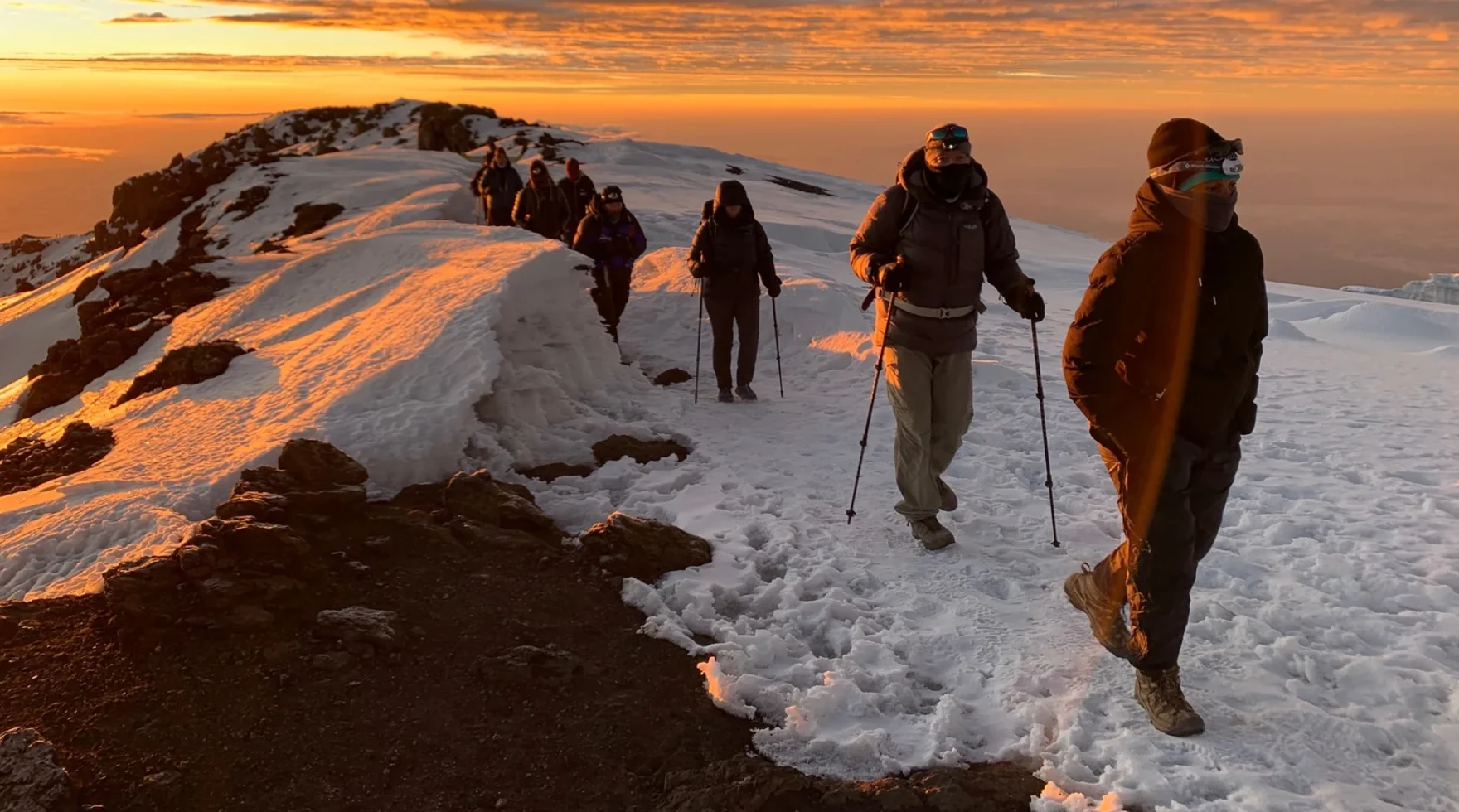
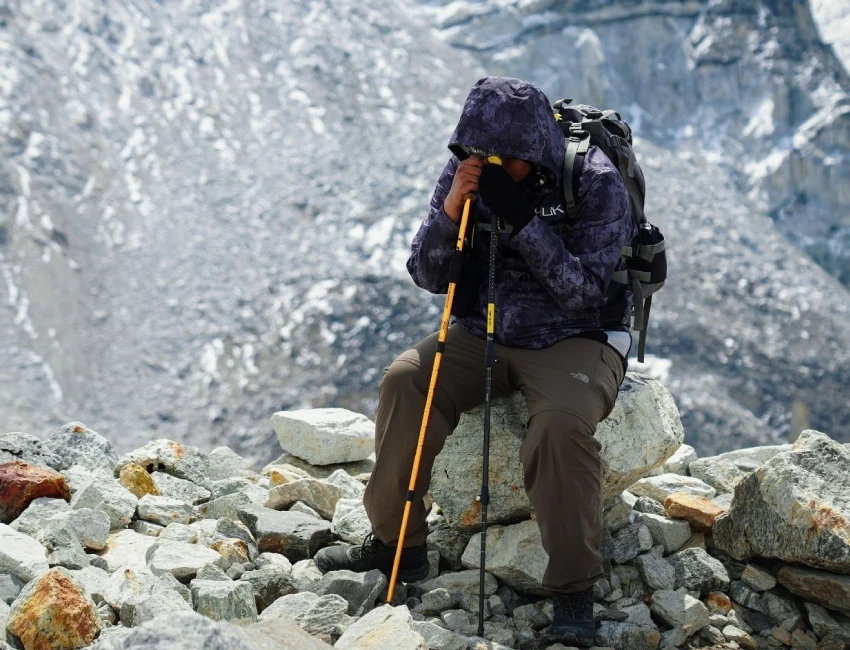
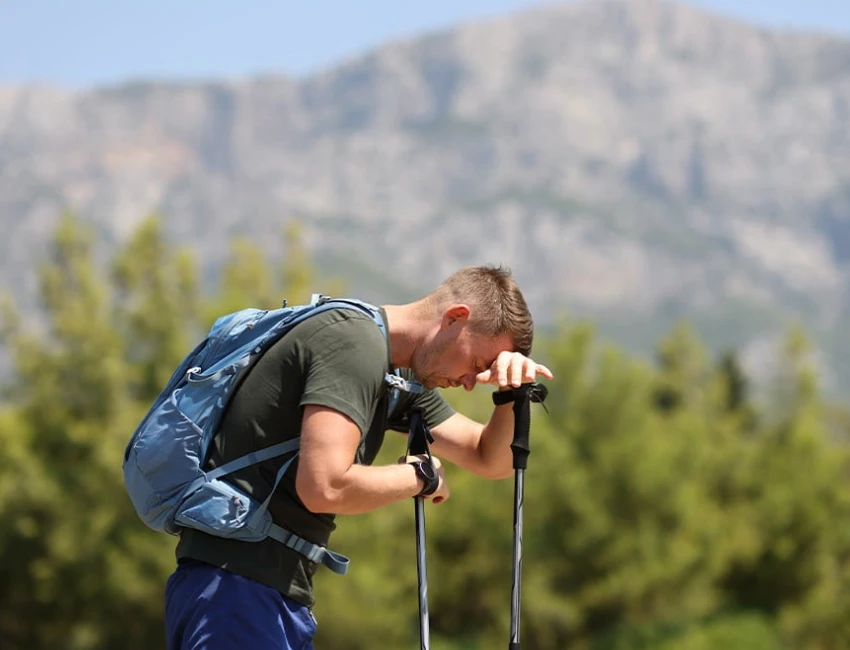
Climbing Mount Kilimanjaro is an amazing adventure and a dream for many, but understanding altitude sickness is essential for a safe and enjoyable experience. As you ascend, oxygen levels drop, and your body must work harder to adjust. This natural process can lead to symptoms such as headaches, nausea, dizziness, loss of appetite, and fatigue. While mild symptoms are common, they should never be ignored. Altitude affects everyone differently, regardless of age or fitness level, making awareness, preparation, and caution just as important as physical training before the climb.

The most effective way to prevent Kilimanjaro Altitude Sickness is proper acclimatization. Our experienced guides ensure a gradual ascent, giving your body time to adjust naturally. Staying well-hydrated, eating balanced meals, and walking slowly—“pole pole”—helps reduce risks. Taking rest days at higher altitudes allows recovery and better adaptation. Most importantly, listen to your body and communicate openly with your guide if you feel unwell. With Kim’s Legacy Adventures professional guidance, patience, and the right mindset, you can manage altitude challenges safely and fully enjoy Kilimanjaro’s stunning landscapes, diverse ecosystems, and the unforgettable achievement of reaching Africa’s highest peak.

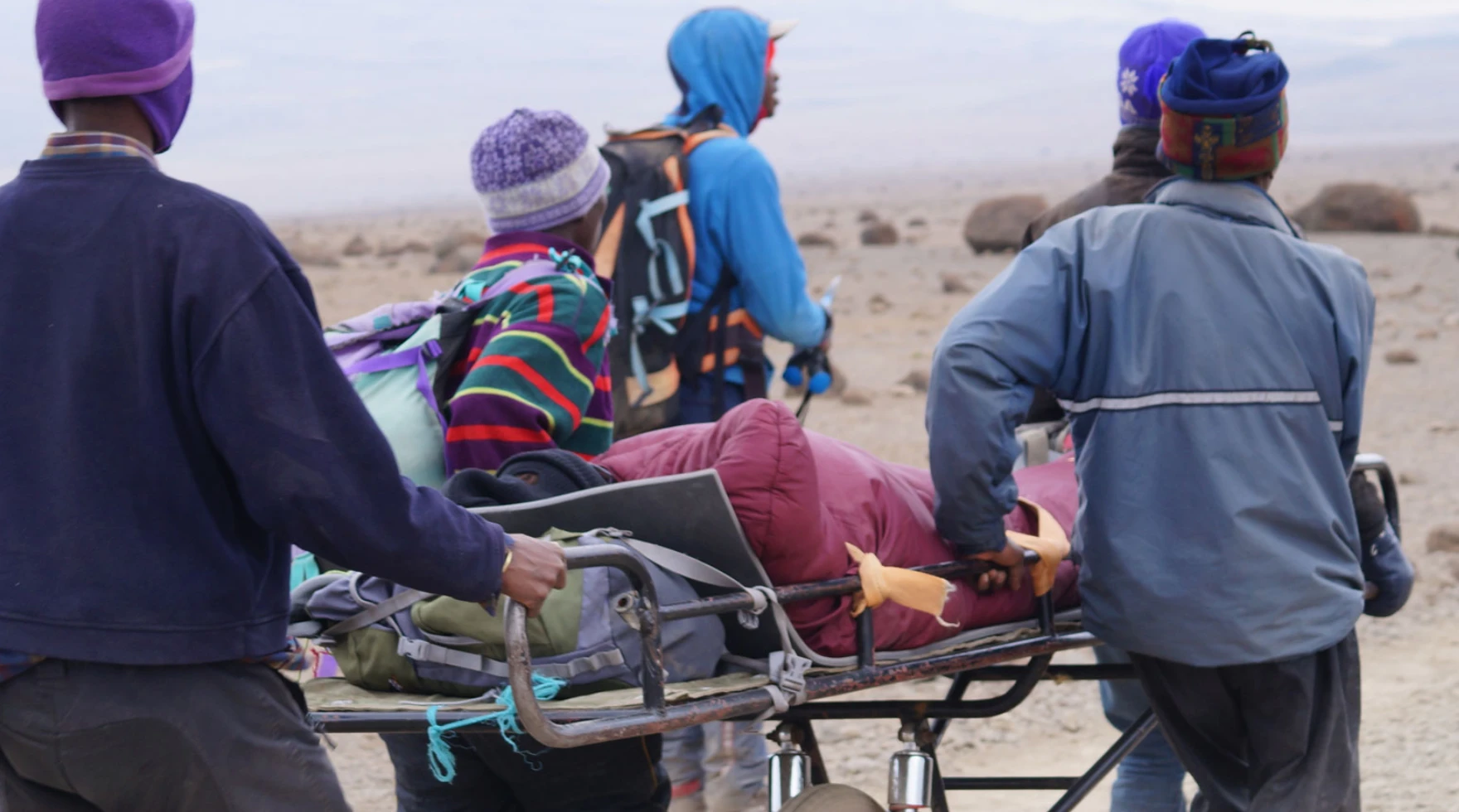
Kilimanjaro Altitude Sickness rescue

How to Avoid Altitude Sickness on Kilimanjaro

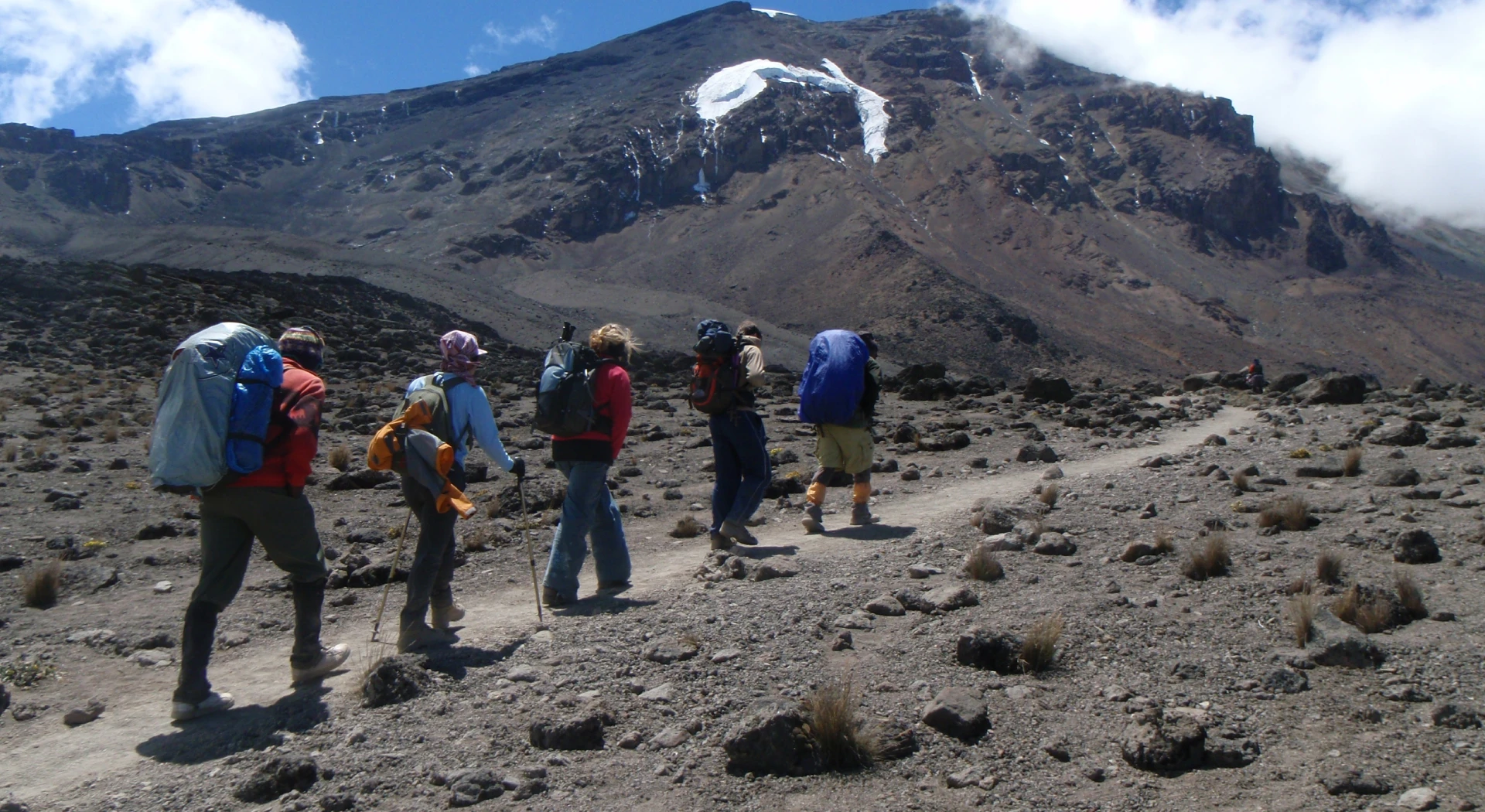
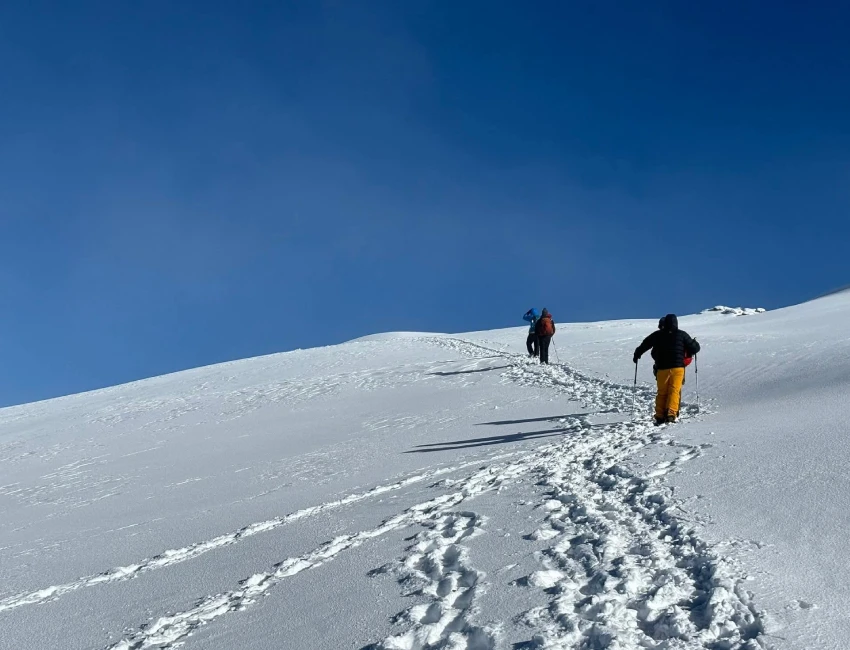
Climbing Mount Kilimanjaro is an incredible adventure, but altitude sickness is one of the most common challenges trekkers face. The key to avoiding it is proper acclimatization. Ascending gradually allows your body time to adjust to decreasing oxygen levels, reducing the risk of symptoms such as headache, nausea, dizziness, fatigue, and shortness of breath. Choosing longer routes with built-in rest days is one of the most effective strategies, as it gives your body additional time to adapt to higher elevations. Staying well-hydrated, eating balanced meals, and avoiding alcohol or heavy exertion at high altitudes can also significantly help prevent altitude-related complications.

Kilimanjaro Altitude

Another important factor is listening to your body. Move at a steady pace—“pole pole,” as guides say—and take rest breaks whenever needed. Avoid overexertion and communicate openly with your guide if you feel unwell. Some climbers may benefit from medications or supplemental oxygen, but these should only be used under professional guidance. Kim’s Legacy Adventures experienced guides monitor climbers closely, offering advice, support, and safety measures throughout the trek. By combining careful planning, gradual ascent, and professional guidance, trekkers can minimize the risk of altitude sickness and fully enjoy Kilimanjaro’s stunning landscapes and unforgettable summit experience.

Climbing Mount Kilimanjaro is a life-changing adventure, but altitude sickness is a real challenge that every trekker should prepare for. Smart preparation, including gradual acclimatization, proper hydration, balanced nutrition, and pacing yourself “pole pole,” significantly reduces the risk of altitude-related illness. We guide you every step of the way. Our experienced Kilimanjaro Guides carefully manage pacing, monitor health daily, and embrace the “pole pole” philosophy to let your body adapt naturally. With open communication, expert advice, and genuine care, we make safety a priority while helping you focus on the awe-inspiring landscapes and the thrill of summiting Africa’s highest peak. With Kim’s Legacy Adventures, preparation meets support for an unforgettable, safe adventure.

Kim’s Legacy Adventures
Kilimanjaro Travel Guide

Kilimanjaro Travel Guide

Dry seasons from January to March and June to October offer the best weather, clearer views, and summit success.

Recommended vaccinations include hepatitis, typhoid, yellow fever, and routine immunizations; consult a travel clinic before departure early always.

Travel insurance should cover high-altitude trekking, medical emergencies, evacuation, trip cancellation, and delays for Kilimanjaro climbers worldwide protection.

"Kim’s Legacy Adventures created unforgettable memories for our family through culture, care, and adventure, bringing us closer together and inspiring meaningful conversations long after we returned home."
Sarah M. Johnson Review from TripAdvisor
"Every detail felt thoughtful and seamless, from expert guides to authentic experiences that honoured community and history, making our journey enriching, stress-free, and truly transformative."
Michael Andrew Carter Review from TripAdvisor
"Traveling with Kim’s Legacy Adventures felt safe, purposeful, and inspiring, blending education and fun while teaching our children respect for cultures, people, and places everywhere."
Danielle R. Thompson Review from TripAdvisor

Previous
Next