

Kilimanjaro FAQs

Kilimanjaro FAQs

Planning to Climb Mount Kilimanjaro? It’s natural to have questions—after all, it’s not just a hike; it’s a life-changing adventure. Our Kilimanjaro FAQs are here to guide you through everything from choosing a route to understanding what to pack and how to train.

These FAQs of Kilimanjaro are designed to ease your concerns and help you feel fully prepared before setting foot on the mountain. The more informed you are, the more confident and safer you’ll feel on your journey. Let us help you turn those unknowns into excitement—your Kilimanjaro Adventure starts with the right answers.

The Best Time to Climb Kilimanjaro is during the dry seasons – January to mid-March and June to October. These periods offer more stable weather and better climbing conditions. The skies are generally clearer, and there is a lower chance of rainfall, making it more enjoyable to ascend the mountain.

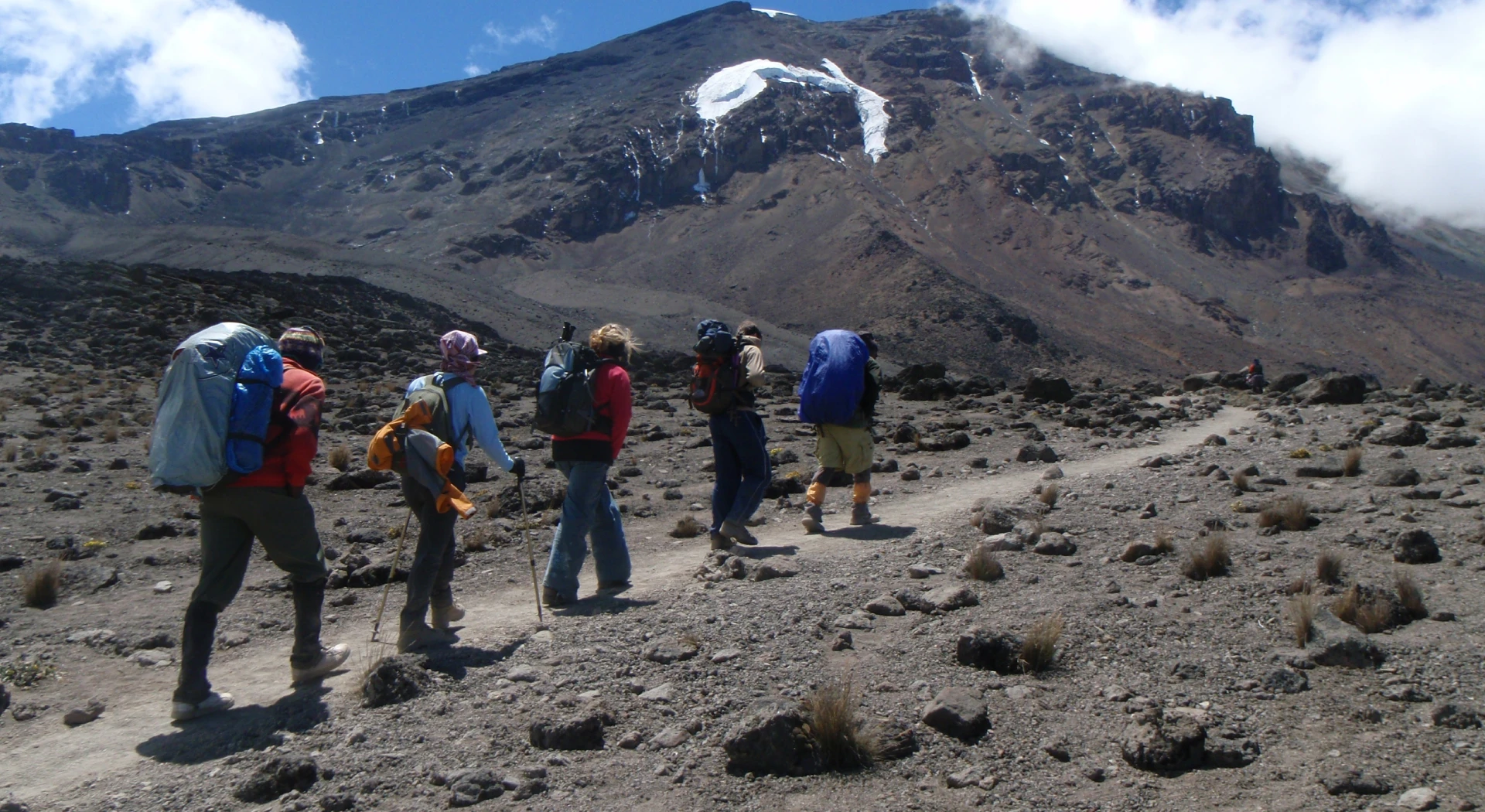
The difficulty level of Climbing Mount Kilimanjaro varies depending on the chosen route. Routes like Marangu and Rongai are considered easier, as they have gentler gradients and shorter durations. On the other hand, Kilimanjaro Routes like Machame and Lemosho are more challenging due to steeper sections and longer trekking days. Overall, Kilimanjaro is a physically demanding climb, and climbers should be in good physical condition and mentally prepared for the altitude and long days of trekking.

While prior climbing experience is beneficial, it is not mandatory to Climb Mount Kilimanjaro. Many successful climbers with good fitness and determination reach the summit. However, being physically fit and participating in some preparatory hikes or trekking at high altitudes can help increase your chances of reaching the summit.

Climbers require a Mount Kilimanjaro Climbing permit, which is issued by the Kilimanjaro National Park Authorities. Your tour operator will arrange the necessary permits as part of the package. You typically need a Kilimanjaro National Park permit, camping and hut fees, and possibly a rescue fee. Non-Tanzanian climbers require a valid Tanzanian visa. However, verify current requirements before planning your ascent.

The duration of a Mount Kilimanjaro Climb varies with the chosen route. On average, climbs range from 5 to 9 days, with additional days included for acclimatization purposes. Longer routes tend to have higher success rates as they allow for better acclimatization.

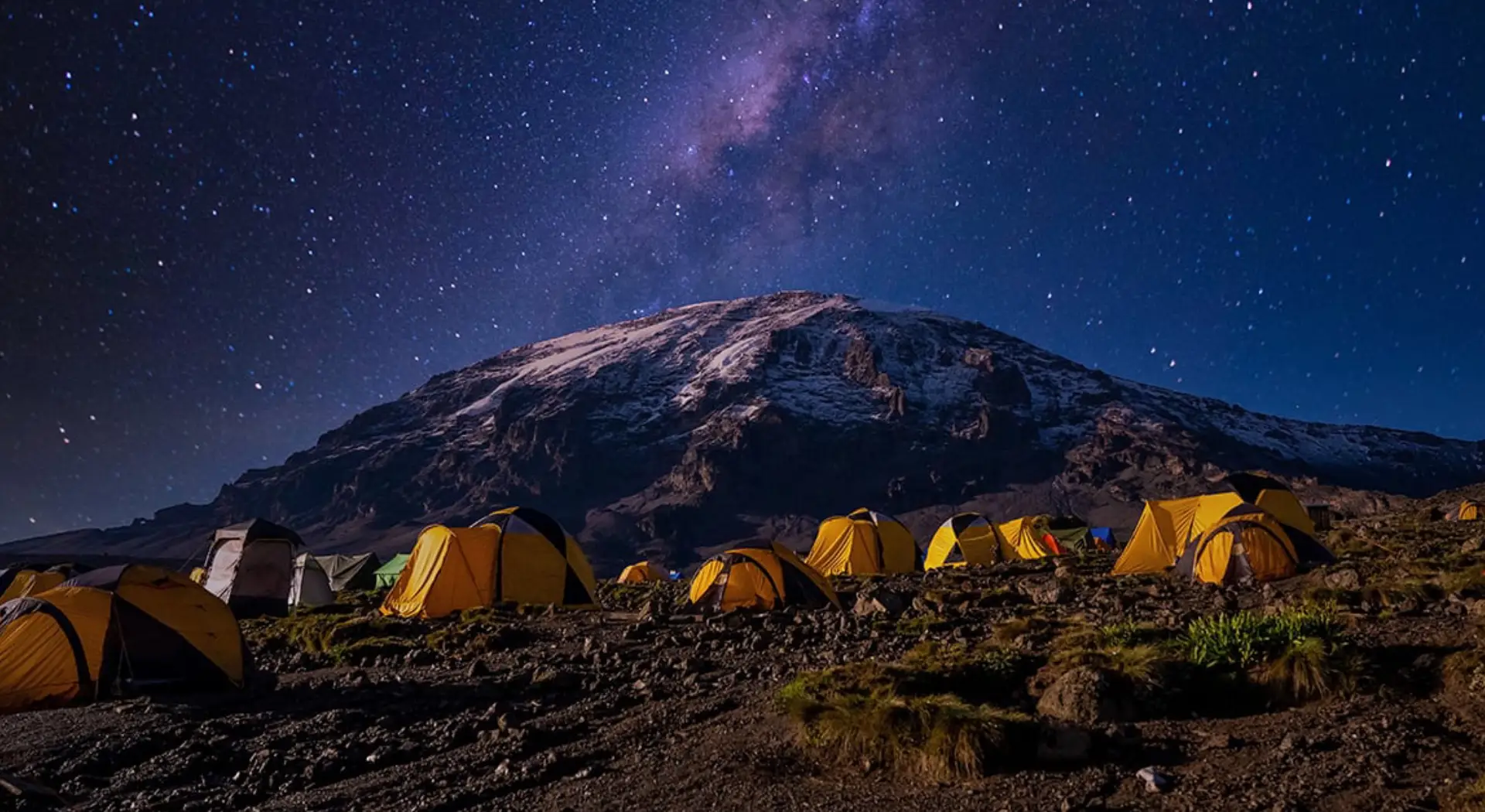
Climbers can choose between camping accommodations or huts on some Kilimanjaro Routes, like the Marangu Route. Camping is the most common option and offers a closer connection to nature. Tents and sleeping gear are provided, and campsites are set up along the routes.

Mount Kilimanjaro stands at 5,895 meters (19,341 feet) above sea level, making it the highest freestanding mountain in the world. Climbing to the summit, Uhuru Peak, is a challenging feat, and altitude becomes a significant factor during the ascent.

Yes, Altitude Sickness is a real concern during the climb. As you ascend higher, the air pressure decreases, leading to lower oxygen levels. It is essential to choose a slower Kilimanjaro Route with ample acclimatization days, stay hydrated, and listen to your body. Guides are trained to monitor climbers’ health and recognize symptoms of altitude sickness to ensure a safe Mount Kilimanjaro Climb.

Hiring a certified guide is mandatory for all climbers on Kilimanjaro. Guides are experienced in leading climbs and ensuring safety. Additionally, Kilimanjaro Porters are highly recommended to assist with carrying equipment, food, and camping gear. So that climbers can focus on the climb without carrying heavy loads.

Climbing Mount Kilimanjaro without a guide is not allowed. Solo climbers must join organized group climbs with experienced guides for safety reasons. Group climbs are not only safer, but they also provide support throughout the journey. By joining a guided group climb, you’ll have professional assistance and increased chances of a successful summit.

Kim’s Legacy Adventures
Kilimanjaro Travel Guide

Kilimanjaro Travel Guide

Dry seasons from January to March and June to October offer the best weather, clearer views, and summit success.

Recommended vaccinations include hepatitis, typhoid, yellow fever, and routine immunizations; consult a travel clinic before departure early always.

Travel insurance should cover high-altitude trekking, medical emergencies, evacuation, trip cancellation, and delays for Kilimanjaro climbers worldwide protection.

"Kim’s Legacy Adventures created unforgettable memories for our family through culture, care, and adventure, bringing us closer together and inspiring meaningful conversations long after we returned home."
Sarah M. Johnson Review from TripAdvisor
"Every detail felt thoughtful and seamless, from expert guides to authentic experiences that honoured community and history, making our journey enriching, stress-free, and truly transformative."
Michael Andrew Carter Review from TripAdvisor
"Traveling with Kim’s Legacy Adventures felt safe, purposeful, and inspiring, blending education and fun while teaching our children respect for cultures, people, and places everywhere."
Danielle R. Thompson Review from TripAdvisor
Previous
Next