

Kilimanjaro Travel Guide
Your Complete Kilimanjaro Travel Guide
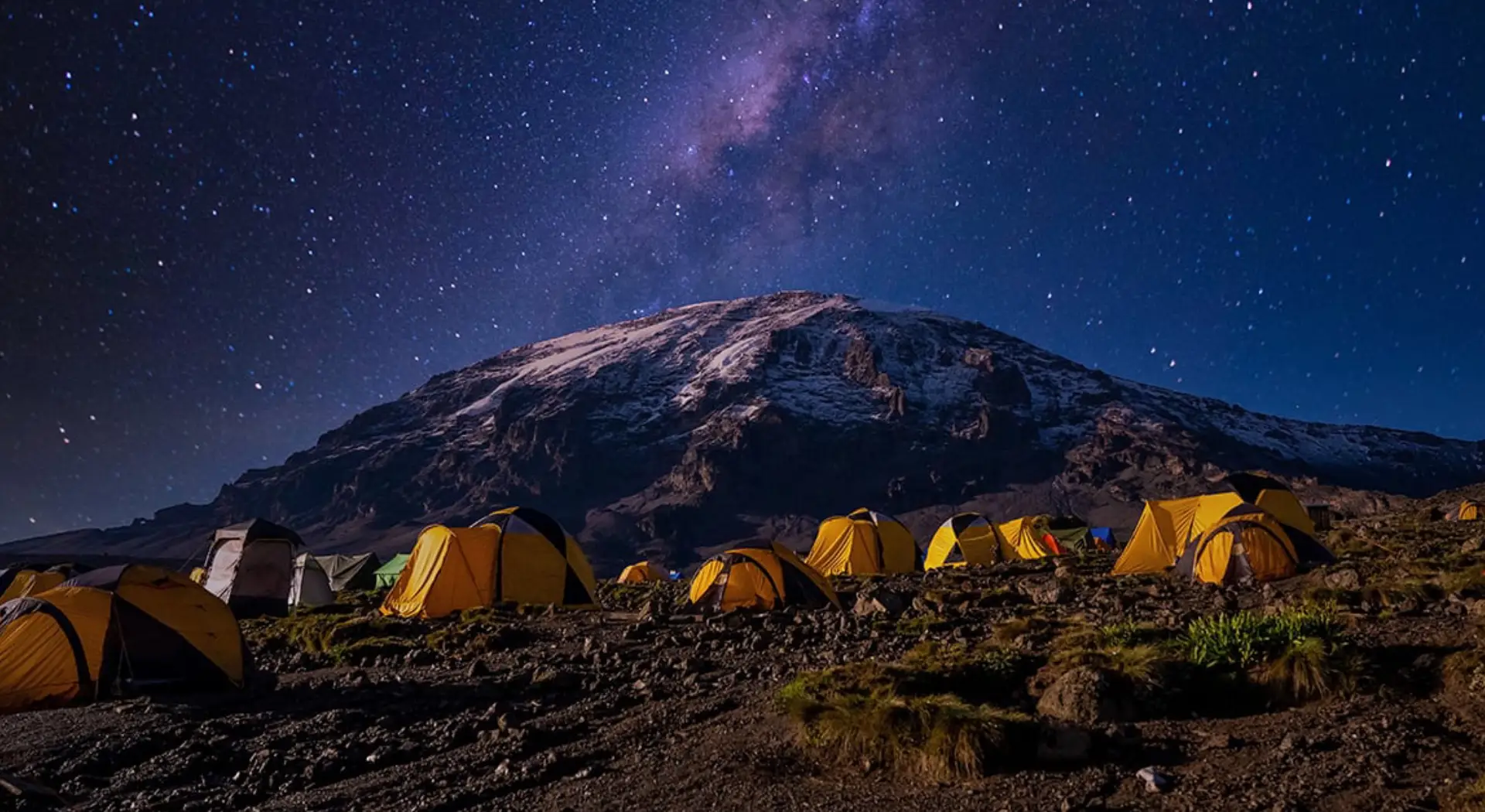
Mount Kilimanjaro is Africa’s highest peak and one of the world’s most iconic trekking destinations. Rising above Tanzania’s plains, it offers diverse landscapes, from lush rainforests to alpine deserts and snow-capped summits, attracting adventurers from around the globe.
Our Kilimanjaro Travel Guide provides essential information to help you plan your Kilimanjaro journey with confidence. Learn about the best routes, ideal climbing seasons, preparation tips, packing essentials, and safety guidance. Whether you are a first-time climber or an experienced trekker, this guide ensures a well-prepared, memorable, and rewarding Kilimanjaro experience.
Kilimanjaro Travel Guide
Dry seasons from January to March and June to October offer the best weather, clearer views, and summit success.
Recommended vaccinations include hepatitis, typhoid, yellow fever, and routine immunizations; consult a travel clinic before departure early always.
Travel insurance should cover high-altitude trekking, medical emergencies, evacuation, trip cancellation, and delays for Kilimanjaro climbers worldwide protection.
Altitude sickness risk increases above 3,000 meters; proper acclimatization, hydration, pacing, and guide support reduce symptoms significantly safely.
Kilimanjaro FAQs answer common questions about routes, fitness, packing, safety, costs, weather, guides, and summit success rates clearly.
Kilimanjaro Travel Guide Faqs
What should I know before traveling to Mount Kilimanjaro?
Before travelling to Mount Kilimanjaro, it’s important to understand entry requirements, health considerations, and basic climbing logistics. Travellers need a valid passport, Tanzanian visa, and travel insurance covering high-altitude trekking. Physical preparation is essential, as Kilimanjaro is a high-altitude mountain requiring endurance rather than technical skills. Choosing the right route and climbing duration improves acclimatization and summit success. Packing appropriate gear for varying temperatures, from tropical rainforest to freezing summit conditions, is crucial. Travellers should also be aware of park regulations and tipping guidelines. With proper planning, professional guides, and realistic expectations, climbing Kilimanjaro becomes a safe, rewarding, and life-changing adventure.
When is the best time to climb Mount Kilimanjaro?
The best time to climb Mount Kilimanjaro is during the dry seasons, January to March and June to October. These months provide more stable weather, less rainfall, and better visibility, increasing comfort and summit success rates. January to March is warmer and quieter, while June to October is cooler and busier, offering excellent trail conditions. The rainy seasons, from March to May and November, bring muddy trails, cloud cover, and colder summit nights, making climbs more challenging. However, fewer crowds and discounted rates attract experienced climbers during these periods. Understanding seasonal conditions helps travellers choose the best time for safety, scenery, and personal climbing preferences.
How difficult is climbing Mount Kilimanjaro?
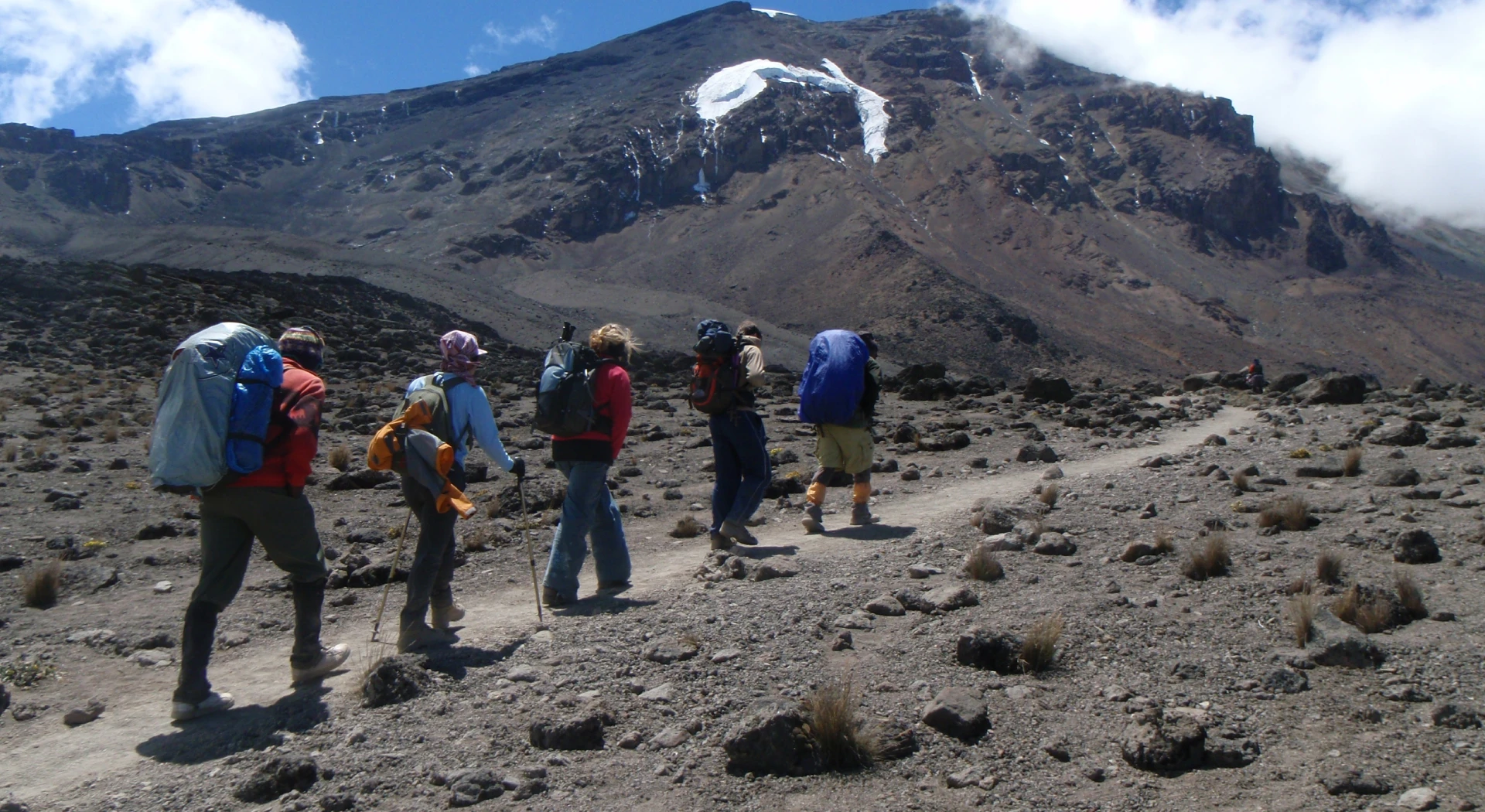
Climbing Mount Kilimanjaro is considered physically demanding but not technically difficult. No mountaineering experience is required, as it is a trekking peak. The main challenge comes from altitude, as the summit reaches 5,895 meters. Proper acclimatization, pacing, hydration, and fitness preparation are essential for success. Long daily hikes, changing weather conditions, and cold temperatures can test endurance and mental strength. Choosing longer routes improves acclimatization and summit success. Professional guides monitor climbers closely for altitude symptoms and ensure safety throughout the journey. With preparation, determination, and expert support, climbers of varying fitness levels can successfully reach the summit.
What should I pack for a Kilimanjaro climb?
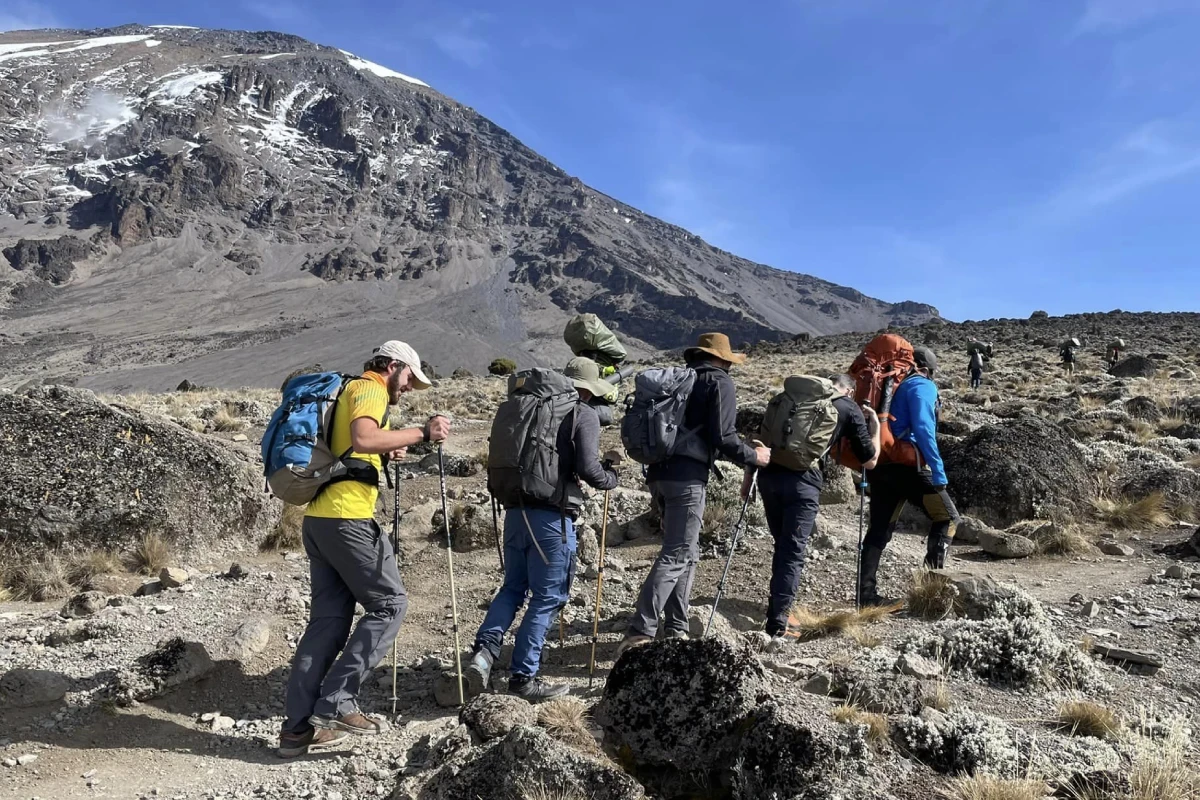
Packing correctly for Kilimanjaro is essential due to the rapidly changing climates. Climbers need layered clothing, including moisture-wicking base layers, insulated jackets, waterproof outerwear, gloves, and warm hats. Sturdy trekking boots, thermal socks, and gaiters are important for comfort and protection. Other essentials include a sleeping bag rated for sub-zero temperatures, trekking poles, a headlamp, sunscreen, sunglasses, and personal medications. Hydration systems and high-energy snacks support daily trekking. Porters carry most equipment, but climbers should pack a daypack with essentials. A well-prepared packing list ensures safety, warmth, and comfort from rainforest trails to the summit.
How can I increase my chances of reaching the summit?
Increasing your chances of reaching Kilimanjaro’s summit requires proper preparation, route selection, and patience. Choosing longer routes allows better acclimatization and significantly improves success rates. Physical training focused on endurance, hiking, and cardiovascular fitness prepares the body for long trekking days. Maintaining a slow pace, staying hydrated, and eating well during the climb support altitude adaptation. Listening to guides and communicating any symptoms early is crucial for safety. Adequate rest and mental resilience also play key roles. With the right mindset, professional guidance, and responsible climbing practices, reaching Uhuru Peak becomes a realistic and unforgettable achievement.