

Mount Kilimanjaro Climbing
Experience Kilimanjaro’s Majestic Adventure
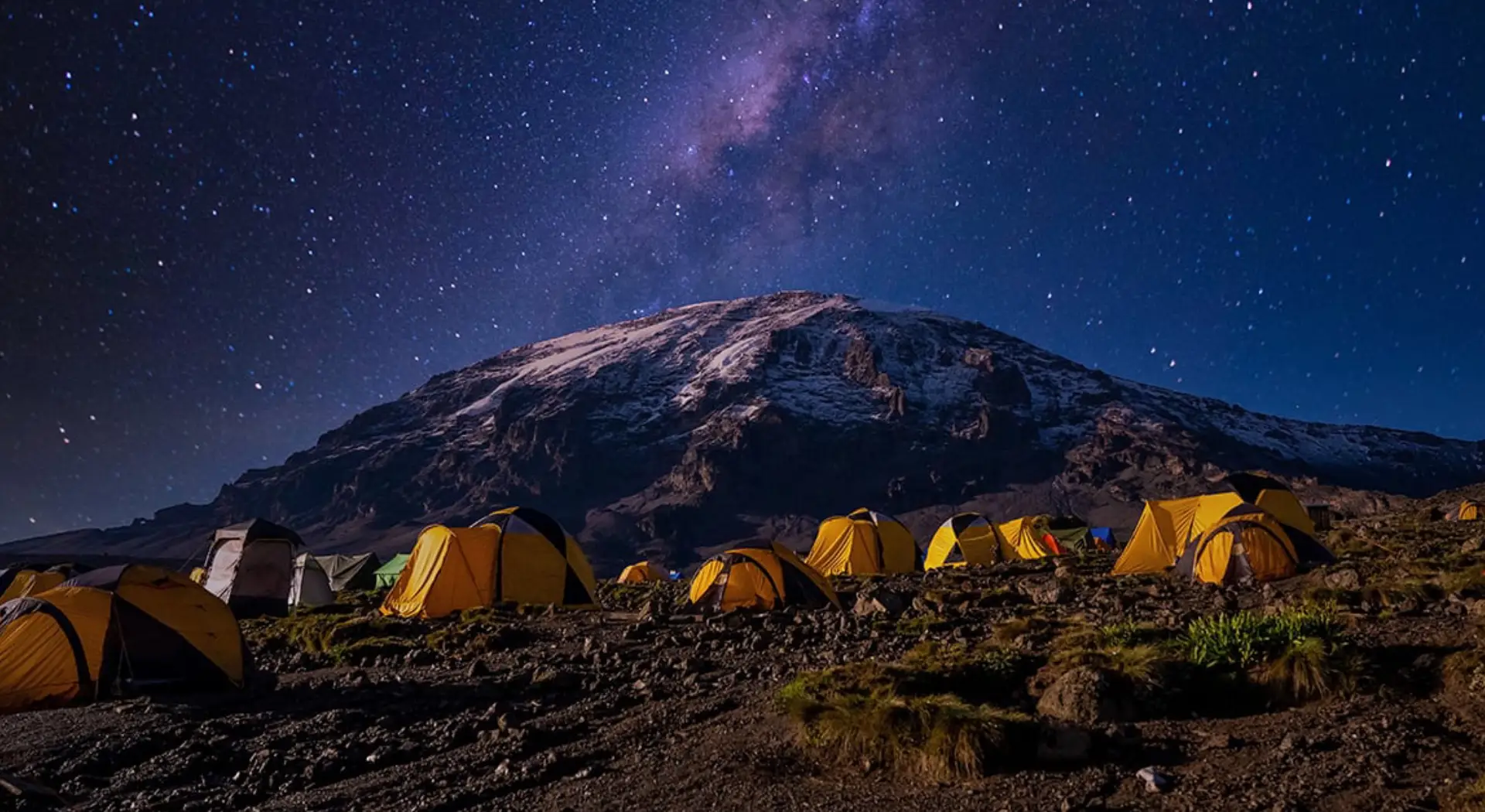
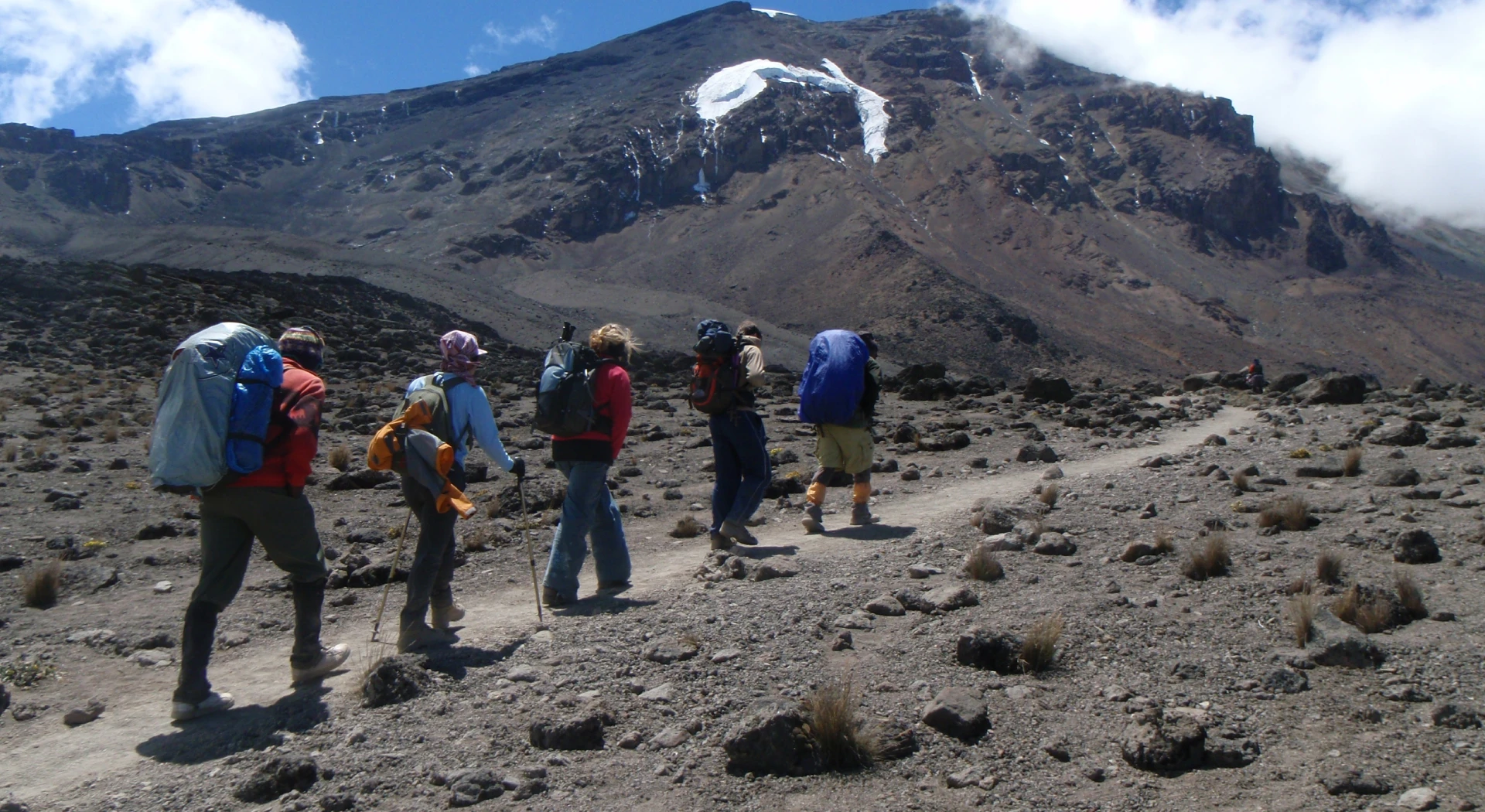
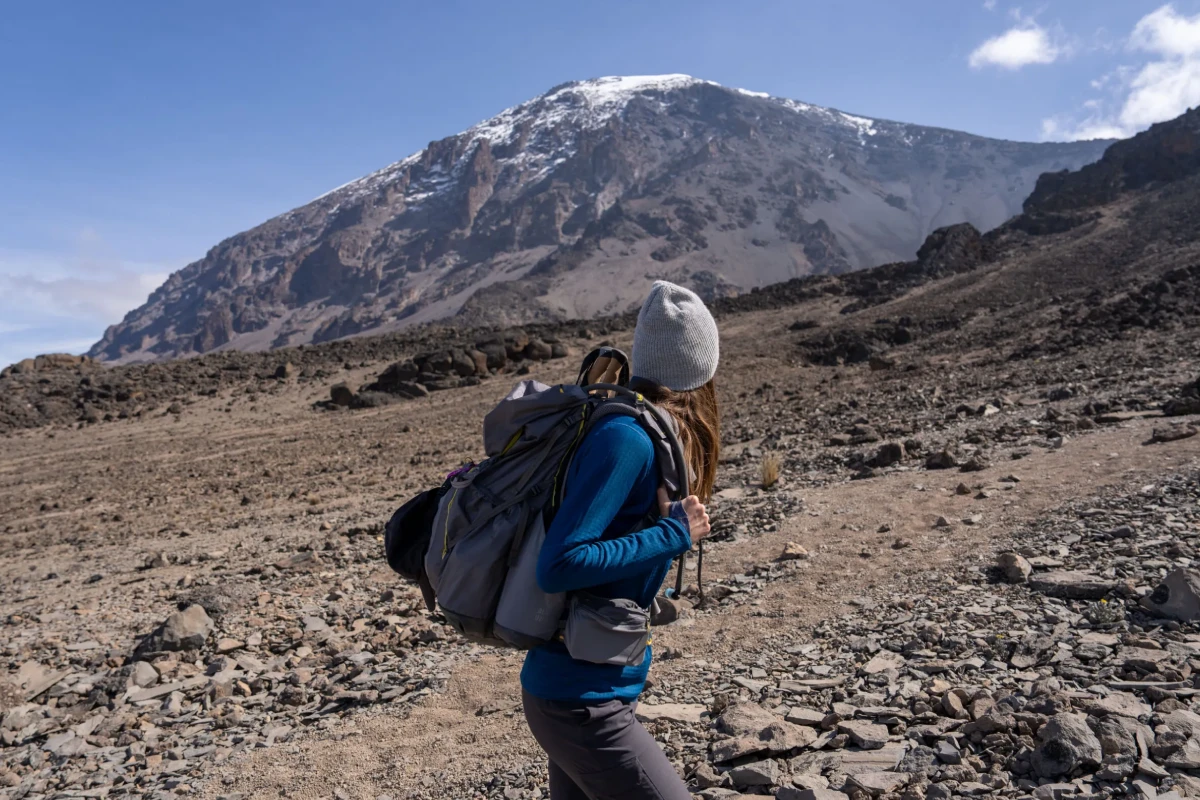
Mount Kilimanjaro, Africa’s highest peak, offers an unforgettable climbing experience through diverse landscapes, from lush rainforests to alpine deserts and icy summits. Each route presents unique challenges and breathtaking views, making the journey as rewarding as reaching the top. Climbers of all levels can find a path suited to their abilities, guided by expert mountaineers who ensure safety, support, and inspiration throughout the trek.
Beyond the physical achievement, climbing Kilimanjaro is a journey of personal growth, adventure, and connection with nature. Our carefully planned expeditions combine professional guidance, comfortable accommodations, and sustainable practices to create memories that last a lifetime.
Mount Kilimanjaro Climbing
Mount Kilimanjaro Climbing Faqs
What is the best time to climb Mount Kilimanjaro?
The best time to climb Mount Kilimanjaro is during the dry seasons: January to March and June to October. These months offer clearer skies, less rainfall, and more stable trekking conditions, increasing the chances of reaching the summit safely. The dry season also provides excellent visibility for stunning panoramic views and photography. The wet seasons, from November to mid-December and March to May, can still be attempted but may involve slippery trails, colder conditions, and limited visibility. Choosing the right season is crucial for safety, comfort, and enjoyment. Experienced guides can advise on specific routes and dates based on weather patterns and climbers’ preferences for adventure or scenic experiences.
Which climbing routes are available for Kilimanjaro?
Mount Kilimanjaro offers several trekking routes, each with unique scenery, difficulty, and duration. The Machame Route is scenic and challenging, ideal for adventurous climbers. Marangu, known as the “Coca-Cola Route,” is popular for its gradual slopes and hut accommodations. Lemosho and Shira routes offer remote wilderness, beautiful landscapes, and higher summit success rates. Rongai approaches from the north, providing a quieter trail and gradual acclimatization. The Northern Circuit is the longest, circling the mountain for excellent acclimatization and breathtaking panoramic views. Route selection depends on fitness levels, time availability, desired difficulty, and scenic preferences, with expert guides helping climbers choose the safest and most rewarding path to the summit.
How difficult is climbing Kilimanjaro?
Climbing Kilimanjaro is considered moderately challenging rather than technically difficult, as it requires endurance, mental strength, and proper acclimatization. The mountain’s height of 5,895 meters (19,341 feet) presents a risk of altitude sickness, making gradual ascent and rest days critical. Fitness preparation, including cardiovascular and strength training, improves success rates. Most climbers do not require mountaineering experience, but the trek can be physically demanding due to long daily hikes and changing weather conditions. Choosing the right route, pacing oneself, staying hydrated, and following guide instructions greatly enhance safety. With preparation and guidance, climbers of varying fitness levels can successfully reach the summit, enjoying panoramic views and the profound sense of achievement Kilimanjaro offers.
What should I pack for a Kilimanjaro climb?
Packing for Kilimanjaro requires careful attention to layering, warmth, and safety. Essentials include moisture-wicking base layers, insulated jackets, trekking pants, gloves, hats, and sturdy waterproof boots. Sunglasses, sunscreen, and a headlamp are necessary for protection against sun exposure and early morning climbs. Sleeping bags rated for sub-zero temperatures, trekking poles, and personal first aid kits ensure comfort and safety. Hydration packs and reusable water bottles are essential for staying hydrated. Optional items like cameras, binoculars, and energy snacks enhance the experience. Guides often provide packing lists and advice on gear suitable for the chosen route. Proper preparation ensures a safe, comfortable, and enjoyable climb from rainforest to summit.
How do I prepare physically for Kilimanjaro?
Physical preparation is essential for a successful Kilimanjaro climb. Cardiovascular training, such as running, hiking, and cycling, improves stamina for long daily treks. Strength training for legs, core, and back supports carrying backpacks and managing steep ascents. Endurance hikes with weighted packs simulate trekking conditions and help with altitude adaptation. Acclimatization is also key; consider climbing lower-altitude peaks beforehand if possible. Nutrition, hydration, and rest play crucial roles in energy levels during the climb. Mental preparation, including pacing strategies and coping with challenging weather, is equally important. Combining fitness, proper acclimatization, and guided support maximizes summit success while ensuring a safe, rewarding, and memorable Mount Kilimanjaro experience.